Cape Town City Placed 6th for World’s Worst Traffic
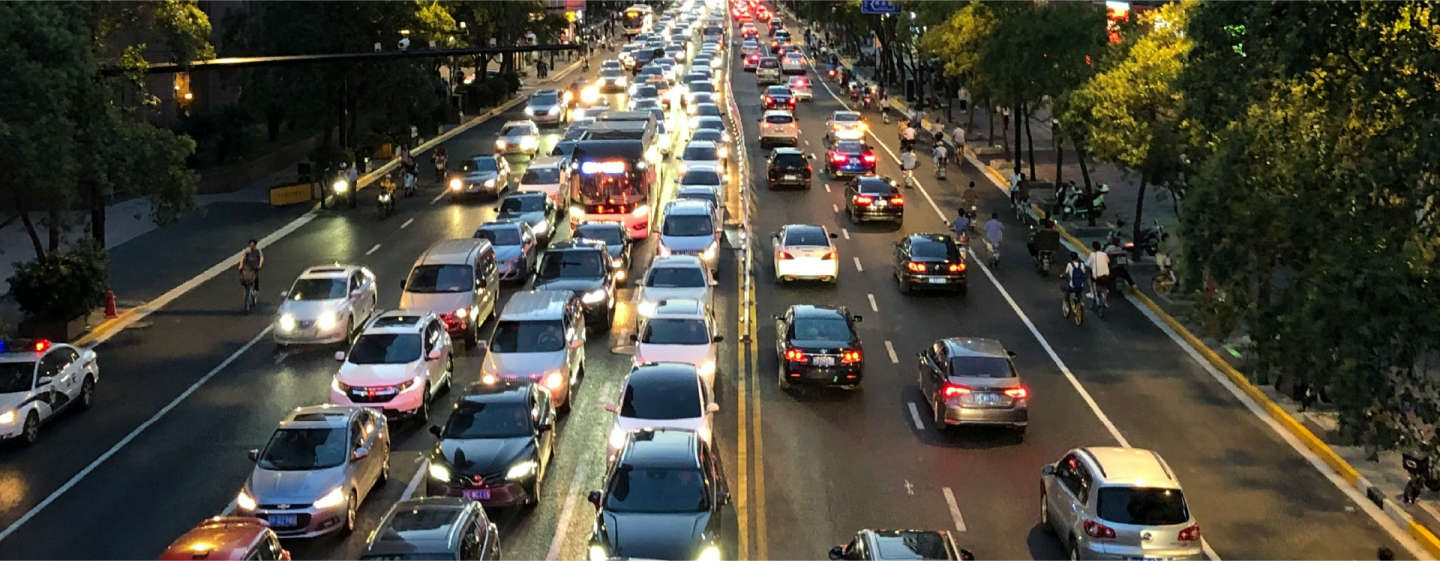
If you’ve been stuck in Cape Town traffic, you’re not alone. Cape Town has (once again) been named one of the most congested cities in the world, according to the latest INRIX Global Traffic Scorecard, as reported by The Star. The study highlights traffic trends across 942 cities worldwide, and Cape Town’s slow motoring appears to make an impression. While traffic only increased by 2% from 2024, it’s shot up by at least 16% since 2023 - a clear sign that local commuters are facing pressure.
Why Cape Town Traffic Keeps Getting Worse
The city centre is where the congestion really hits home. Peak-hour speeds in the CBD average just 18km/h, turning what should be a quick drive into a slow, headache-inducing crawl. JP Smith, the mayoral committee member for safety and security, points to rapid population growth and a surge in vehicle ownership as the main culprits. Over the past two years, more than a million cars have been sold across South Africa - accounting for the fact that Cape Town’s population has grown by more than 100,000 since 2023.
Driving behaviour doesn’t help here either. Smith explains that motorists who edge into intersections without being able to clear them are making things worse for motorists. The city has been cracking down on this, using CCTV cameras to catch offenders and issuing fines to keep intersections clear.
To tackle the issue, the City of Cape Town has also launched the ‘Don’t be a Creep’ campaign. Since the start of the campaign, over 140 fines have been handed out, reminding drivers to stop behind the line and avoid blocking intersections, especially during the festive season.
Rob Quintas, the mayoral committee member for urban mobility, also stresses that blocking intersections isn’t just annoying, it’s dangerous. Emergency vehicles can get trapped, and time lost in traffic is time you could be spending with your family or friends. His advice? Stay behind the line and let traffic flow.
How Cape Town Weather Makes Driving Tricky
Cape Town weather adds another layer of frustration. With hot, dry summers and cool, wet winters, drivers have to adjust constantly. Heavier rains can flood poorly drained roads, slowing traffic in the process. Strong coastal winds make handling your vehicle very tricky, and fog near Table Mountain and other passes reduces visibility, especially during peak hours.
Even a short trip can turn into a long one if you’re not keeping an eye on the weather. Checking the forecast before you head out can save you a lot of time and stress.
Why a Car Maintenance Plan Matters
With traffic showing no signs of slowing, keeping your car in top shape is essential. A breakdown in the middle of congested streets can add hours to your day, and a lot of anger.
A solid car Maintenance Plan makes sure your vehicle runs smoothly, reduces the chance of unexpected repairs, and protects key components. Routine services, including oil changes, battery checks, and fluid top-ups, can prevent small problems from turning into big ones (avoid crawling off to the shoulder or becoming a massive pain for other drivers - remember your road rules and driving best practices).
Car Service Plans in Cape Town: How to Choose the Right One
Finding the most reliable Service Plans in Cape Town is pretty daunting, especially if looking to extend your service plan and want to shop around for a deal that’s trustworthy.
You’ll want to look for providers who offer certified and trained mechanics, clear pricing, and good reviews. Good service providers handle everything from diagnostics and preventative maintenance to regular OEM-approved servicing.
Practical Tips for Dealing with Traffic
While enforcement can help at certain times, it won’t fix Cape Town’s traffic problem on its own. With roughly 100,000 new vehicles on the roads, the city’s infrastructure has battled to keep up, compromising traffic and road safety in the process.
Based on expert recommendations from Lower Gardens City Improvement District, there are a few things drivers can do to make life on the road simpler and easier:
- Plan ahead: Check traffic apps for hotspots, especially during peak hour traffic.
- Avoid peak hours: Travel during the quieter times (if your routine allows).
- Carpool: Fewer vehicles means less backup.
- Check your car: Focus on regular car maintenance.
- Monitor the weather: Rain, fog, or wind can turn a short commute into a long one, so plan accordingly.
Key Takeaway
Cape Town’s ranking as the sixth most congested city in the world shows just how tough motoring has become. With urban growth, rising car ownership, and driver behaviour - this puts enormous stress on the city. Reports from Eyewitness News, IOL, and the INRIX Global Traffic Scorecard paint a really clear picture of how stressful and unpredictable traffic in Cape Town really is.
By keeping your vehicle maintained regularly, relying on trusted car service plans, planning your route carefully, and factoring in the weather, you’ll have an easier time commuting. These practical steps make it easier to navigate the city, reduce frustration, and reclaim your time - even on the busiest roads.
The plus side of selling your vehicle and taking up a bus commute is to consider the total cost of car ownership as well as the traffic you have to get through. Nothing quite beats hassle-free motoring like a bus pass and smaller monthly payments.
2025’s Best Scoring New Cars in SA
Cheapest Options for Car Licence Renewals