Will We See a Volkswagen Bakkie in South Africa?
Based on past news reports, it seems that Volkswagen Group Africa has had quite the year as one of the country’s most popular car manufacturers. With the brand’s future unknown, communication has been made directly to the President, urging policy reforms to encourage a more attractive environment for investors.
If South Africa wants to produce and sell newer models as seen internationally, as Volkswagen Group Africa Chairperson Martina Biene has suggested, it would require a hefty investment from the company’s headquarters in Germany.
Martina Biene wrote to President Cyril Ramaphosa over the festive period, saying, “I mainly outline that for us as VWGA, this year is crucial for getting an investment decision from VW head office for the next project that’s on the way.” Basically, things needed to be cleared up, not just for future projects and economic impact behind it, but also to ensure South Africa’s Policy landscape is efficient enough to explain long-term investment.
Volkswagen has a long history in South Africa, and even the thought of a shutdown would feel wrong. With a lot of pressure on the Volkswagen Group Africa MD, there’s a long way to go, especially given the challenging environment, to put the right policy in place.
Behind the Scenes of SA’s “Compact” Bakkie
While things may seem a bit doom-and-gloom regarding where Volkswagen stands, there’s some good news on the horizon.
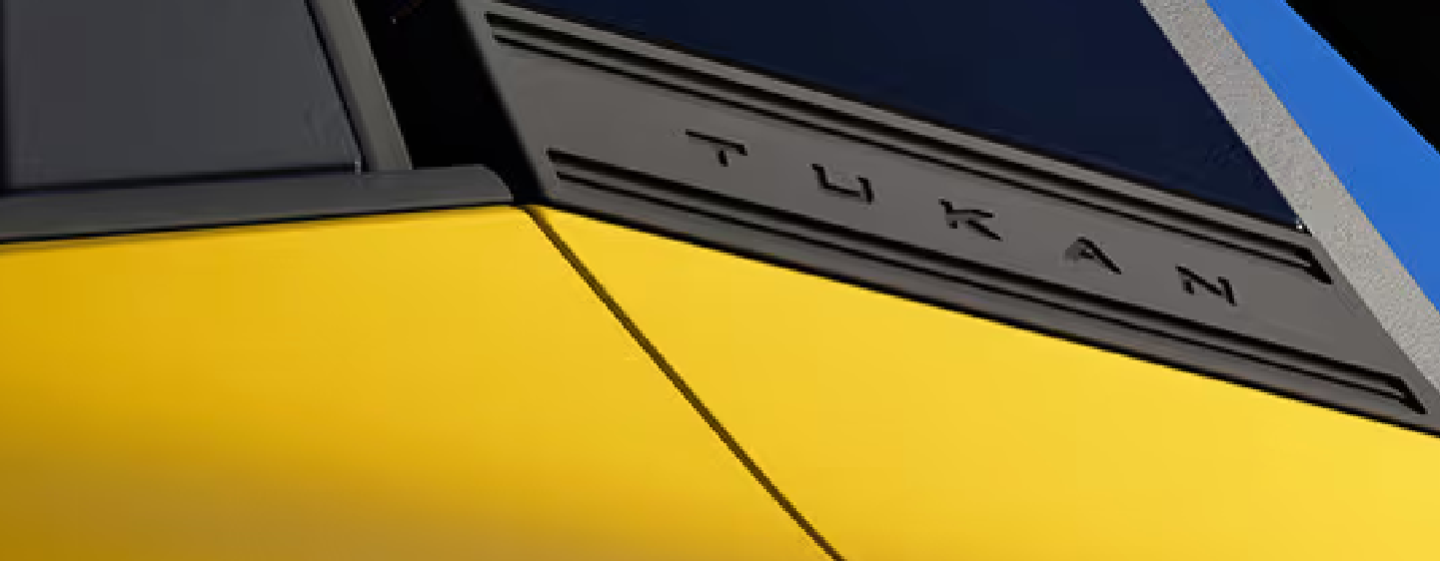
Car buyers may expect a locally made “light” bakkie from Volkswagen’s local plant, according to a Bloomberg report. It’s apparently similar to a newer model, the Tukan, which is supposed to launch across South America next year.
Biene thinks this is the kind of product that would really fit right in here on home soil.
All in all, VW Group Africa plans to manufacture the first units at its Kariega plant by 2029 or 2030, “if all goes according to plan”, she explained to Bloomberg.
While Volkswagen’s Brazilian division is underway with the Tukan, the double-cab body has yet to be revealed locally. In addition, the Tera Compact SUV is similar in build and is expected to be built around 2027.
Now, the Tukan (although not much buzz around this beauty in the public eye) is supposed to replace the VW Saveiro, a bakkie that made a huge impression on South Africans once upon a time. The Saviero was based on the discontinued Gol Hatchback; both were designed and created for South America. However, it never made its way to Mzansi for several reasons.
Meet the Tukan Bakkie
Tukan was inspired by Brazilian plants and wildlife, like the toucan bird, known for its rich colours. It all kind of ties in with the launch headline colour, which is Canary yellow, a significant meaning for Volkswagen in Brazil. The marketing VP in Brazil explains how finding a unique, short, and strong name was designed to engage with various cultures and numerous languages – a reflection of VW's mission.
Brazilian media reports that the new Tukan will come in both single and double-cab variants, with VW’s 1.5-litre TSI Evo2 engine, producing 110kW and 250Nm across the range. It’s not certain whether 4Motion all-wheel drive will be an option, but given that front-wheel drive is incredibly common in Brazil, and no other MQB A0 variants offer it, it would be wishful thinking.
The bakkie will likely launch in South America later this year. As for South Africans, it is yet to be confirmed if we’ll ever get to test-drive this model.
If you’re in the market, check out some of the latest bakkies here: Bakkies confirmed for South Africa in 2026 and don’t ignore these maintenance issues that a lot of South Africans overlook!
The Bottom Line
In just a short few months, Volkswagen Group Africa will celebrate its 75th year of manufacturing vehicles in South Africa. Not many car makers can make that mark, but as a household name in the country, it’s not surprising that VW have achieved this.
2026 seems to be a make-or-break year for the group as international standards shift, local politics and the economy come under pressure; it’s time to demonstrate and support its own role in a changing landscape.
According to Top Gear South Africa, it would mean presenting a “compelling, future-proof business case”, one that carefully manages costs, policy compliance, export potential, technology capability, and a green-light market.
Read more about your favourite body here: Facts You’ll Love About the Hilux & Ranger Bakkies and 6 Essential Accessories to Pimp Out Your Bakkie.
What the New Legal Alcohol Limit Really Means
Your Service Plan Extension Explained