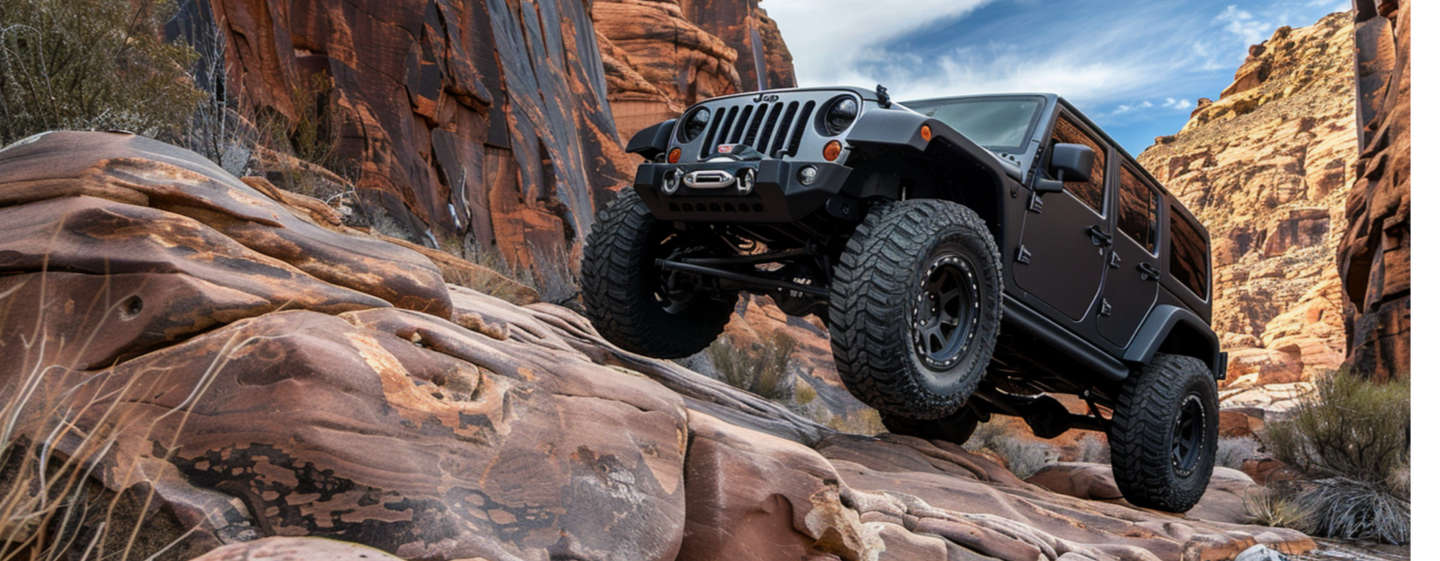
Why 4X4 Insurance is a Must-Have For Off-Roaders in SA
That’s where 4x4 insurance comes in. While regular car insurance covers the basics, 4x4 insurance goes a step further, offering added protection for the unique risks that come with off-road travel and vehicle modifications.
In this guide, we’ll break down what 4x4 insurance is, why you need it, what it typically covers (and doesn’t), and how to find the best policy for your lifestyle and budget.
What Is 4x4 Insurance?
4x4 insurance is a special type of vehicle insurance. It’s made for four-wheel-drive vehicles, especially those used for off-road adventures. Unlike standard car insurance, it takes into account things like:
- Off-road driving risks
- Aftermarket modifications (like roof racks, bull bars, and suspension kits)
- Cross-border travel
- Recovery and towing from remote areas
Because 4x4s often go where normal vehicles can’t—and face higher risks in the process—this insurance helps ensure you're not left stranded (or out of pocket) if something goes wrong.
Why Regular Car Insurance Might Not Be Enough
Many people assume their standard car insurance is enough to cover their 4x4—until they get stuck in a muddy trail or lose a rooftop tent in a storm and discover otherwise.
- Off-road exclusions: Some standard policies don’t cover off-road driving at all.
- No cover for modifications: If you've added extras like snorkels or upgraded tyres, they may not be covered unless declared and insured separately.
- Limited towing/recovery: Being towed out of a remote or mountainous area can be costly—sometimes thousands of rands—and most basic plans won't foot the bill.
- Cross-border complications: Planning a trip into Namibia, Botswana, or Mozambique? Many standard insurers don’t extend cover across borders without prior notice or additional premiums.
How to Make 4X4 Insurance Work for You
Before you shift into low range and disappear into the bushveld, check your insurance. Standard cover often doesn’t cut it when you're way off the tar. Here's how to make sure your 4x4 insurance is properly tailored for your next off-road escapade.
1. Understand Your 4x4 Lifestyle
Let’s be honest, not all 4x4 owners are the same.
Maybe you're a weekend warrior who heads to Hennops for some fun after a braai, or perhaps you’re planning a full-on overlanding trip through Namibia and Botswana. The type of trails you drive, how often you head out, and how far off-grid you go will all influence the type of cover you need.
For example, if you only do the odd grade 3 trail near Joburg, basic off-road insurance might be fine. But if you're tackling sand dunes near Lamberts Bay or rocky mountain passes in the Eastern Cape, you’ll want extra protection in case things go sideways – literally.
2. Choose an Insurer That Understands 4x4 Cover
This is not the time for cookie-cutter insurance.
Off-roading is a specialised hobby, and your insurance should reflect that. Look for policies specifically designed for 4x4 vehicles and outdoor adventure. These types of policies are more likely to include protection for things like off-road recovery, winching equipment, or even cross-border travel.
Look for companies that offer extended cover if you're heading into neighbouring countries like Zambia, Kenya, or the DRC – very useful if you're planning to explore beyond South Africa’s borders.
3. Get Comprehensive Cover – It’s Worth It
Let’s say you're crawling through a riverbed somewhere in the Karoo and your engine floods. Or you misjudge a descent and end up damaging your undercarriage. These things happen – and when they do, you’ll be grateful for comprehensive insurance.
Comprehensive 4x4 cover goes beyond your typical fender bender claims. It usually includes:
- Accidental damage (even in remote areas)
- Theft or hijacking
- Third-party liability
- Recovery and towing from tough terrain
- Damage caused by extreme weather (like hail or flash floods)
When you’re deep in the wilderness, help isn’t around the corner – so that extra cover can be a financial lifesaver.
4. Add Your Accessories and Mods
Let’s be real – if you drive a 4x4, there’s a high chance you’ve kitted it out.
Lift kits, roof racks, bull bars, snorkels, heavy-duty tyres, winches… It’s all part of the lifestyle. But here’s the thing: most standard car insurance won’t automatically cover those upgrades. If you’ve invested money into modifying your bakkie or SUV, make sure those extras are included in your policy.
You’ll likely need to list them one by one, and in some cases, provide proof of installation or purchase. It might sound like an admin now, but you’ll thank yourself later if something gets damaged or stolen.
5. Don’t Forget About Your Gear and Trailers
Planning a camping trip with an off-road trailer? Maybe you're carrying bikes, rooftop tents, or fishing gear? Ensure all your cargo is covered, especially on uneven roads.
Some insurers will allow you to add trailers and extra equipment to your policy, while others offer separate cover. Either way, make sure it’s sorted before you set off. If you plan to drive in areas with wildlife, check if your insurance covers damage from animals.
6. Prioritise Personal Accident and Medical Cover
Let’s talk about safety.
Off-roading, while loads of fun, does come with an element of risk. You could slip down a muddy slope, roll your vehicle, or take a knock crossing rocky terrain. And when you're hours away from the nearest town, medical help isn’t always accessible.
That’s why Personal Accident cover is so important. Look for insurance that covers:
- Emergency medical expenses
- Airlift or helicopter evacuation
- Trauma counselling (especially after a serious incident)
In a worst-case scenario, this type of cover can literally be life-saving.
7. Keep Your Policy Up to Date
Just like your rig, your insurance needs a regular check-up.
Any time you upgrade your 4x4, add new accessories, or start planning a big cross-border trip, review your policy. It’s easy to forget these things, but if you don’t update your insurer, you could end up underinsured when it matters most.
For example, Sarah, who used to do day trips around Gauteng, recently levelled up and tackled a 5-day trail in Lesotho. Smart move – she notified her insurer and got extended cover before the trip. That kind of forethought makes all the difference
Common 4x4 Risks You Should Be Covered For
Here are some of the more specific risks 4x4 drivers in South Africa regularly face – especially if you're going cross-border:
- Unpredictable weather (floods, hail, snow in mountain passes)
- Mechanical breakdowns in remote areas
- Vehicle rollovers on technical trails
- Theft or attempted theft – even in the bush
- Damage from wildlife (a curious elephant can do serious damage)
- Border issues when travelling in and across other countries
- Non-existent roads or sudden sinkholes in rural areas
Knowing these are covered will let you enjoy the ride without stressing every time your tyres crunch over something unexpected.
Final Thoughts
South Africa’s wild beauty is best experienced off the beaten track – and if you’re lucky enough to own a 4x4, you’re halfway there. But just like you wouldn’t go off-road without checking your tyre pressure or packing a recovery strap, don’t hit the trail without making sure your insurance is ready for the journey.
Tailoring your 4x4 insurance means peace of mind, financial protection, and the freedom to enjoy your adventure without limits. Whether you’re conquering Baviaanskloof, getting sandy in the Dunes, or heading for the Richtersveld, make sure your policy is built for the kind of adventures only a South African 4x4 can deliver.
Top 10 Best-Selling Car Brands in South Africa
10 Useful Defensive Driving Tips You Should Know