Understanding Your Car's Warning Lights: A Beginner's Guide
Modern vehicles are equipped with a sophisticated network of sensors that monitor everything from oil pressure to tyre inflation. When something falls outside normal operating parameters, a warning light appears on your instrument cluster.
The challenge is that there are dozens of possible warning symbols, and their urgency varies enormously. AAA's guide to vehicle warning lights is a useful international reference if you want to see how manufacturers group these symbols more broadly.
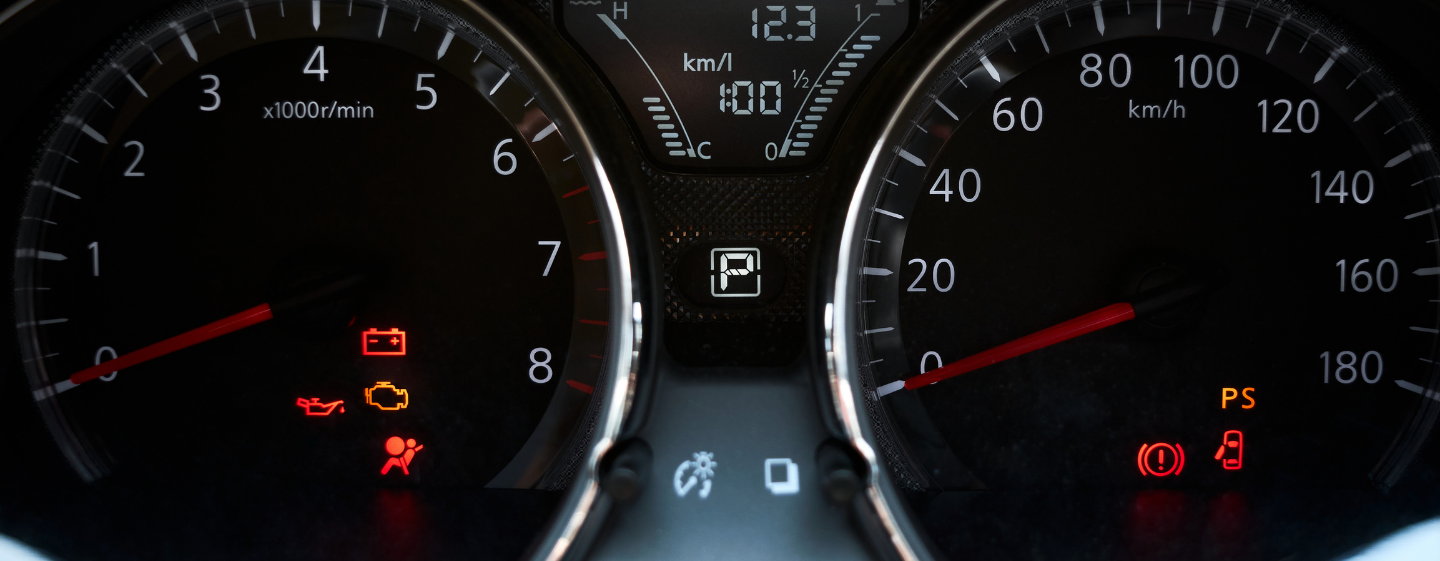
The Colour Code: What It Means at a Glance
- Red: Stop and investigate immediately. Continuing to drive with a red warning light can result in serious damage or a safety risk.
- Amber or orange: Attention required soon. The vehicle can typically be driven to a workshop but should not be left unaddressed.
- Green or blue: Informational. These lights indicate that a system is active, such as your high beams or turn signal.
The Most Common Warning Lights Explained

The engine management light is one of the most frequently misunderstood lights on a dashboard. If it lights up steadily, book a diagnostic check as soon as practical. If it flashes, reduce your speed and load on the engine immediately and have the vehicle inspected urgently.

This light is one of the most critical on your dashboard. Low oil pressure can lead to catastrophic engine damage within minutes. If it comes on while driving, pull over safely, switch off the engine, and check the oil level.

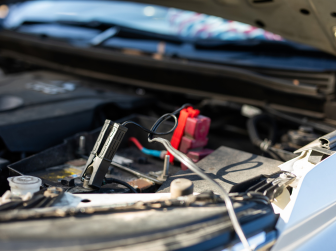
The battery light indicates a problem with your vehicle's charging system. It does not necessarily mean your battery is flat. If you want to check whether the battery itself is the culprit, our guide on how to identify weak or failing car batteries covers the early warning signs to look out for.

This light indicates that your engine coolant is running too hot. Overheating can cause severe and expensive engine damage, and we've covered the full step-by-step response in how to deal with an overheating car.

This light indicates that one or more of your tyres is significantly under-inflated. Under-inflated tyres are also one of the leading causes of tyre blowouts, so it's worth reading our guide on what to do if your car tyre bursts so you know how to respond if a slow leak turns into a sudden failure.

The ABS warning light indicates a fault in the anti-lock braking system. Your standard brakes will still function, but you will not benefit from the anti-lock mechanism during emergency braking.

If the airbag or supplemental restraint system light comes on and stays on, it indicates a fault in the airbag system. Book a diagnostic inspection as soon as possible.
What to Do When a Warning Light Appears
- Identify the colour. Red demands immediate attention. Amber can wait for a workshop visit
- in the near term.
- Check your owner's manual for the symbol specific to your make and model.
- Do not ignore it. Warning lights indicate a condition that will usually worsen over time.
- Visit a qualified workshop with a proper diagnostic tool.
The Bottom Line
Your dashboard warning lights are there to protect you and your vehicle. Understanding the difference between a light that needs attention now and one that can wait for your next scheduled visit can save you significant repair costs.
For more on how servicing differs from reactive repairs, see our explainer on the difference between car repair and car maintenance.
Sources & Further Reading:
Best Road Trips Within 2 Hours of Johannesburg and Cape Town
How to Read Your Vehicle's Service Book