Top 5 Reasons Your Car Overheats and How to Address Them
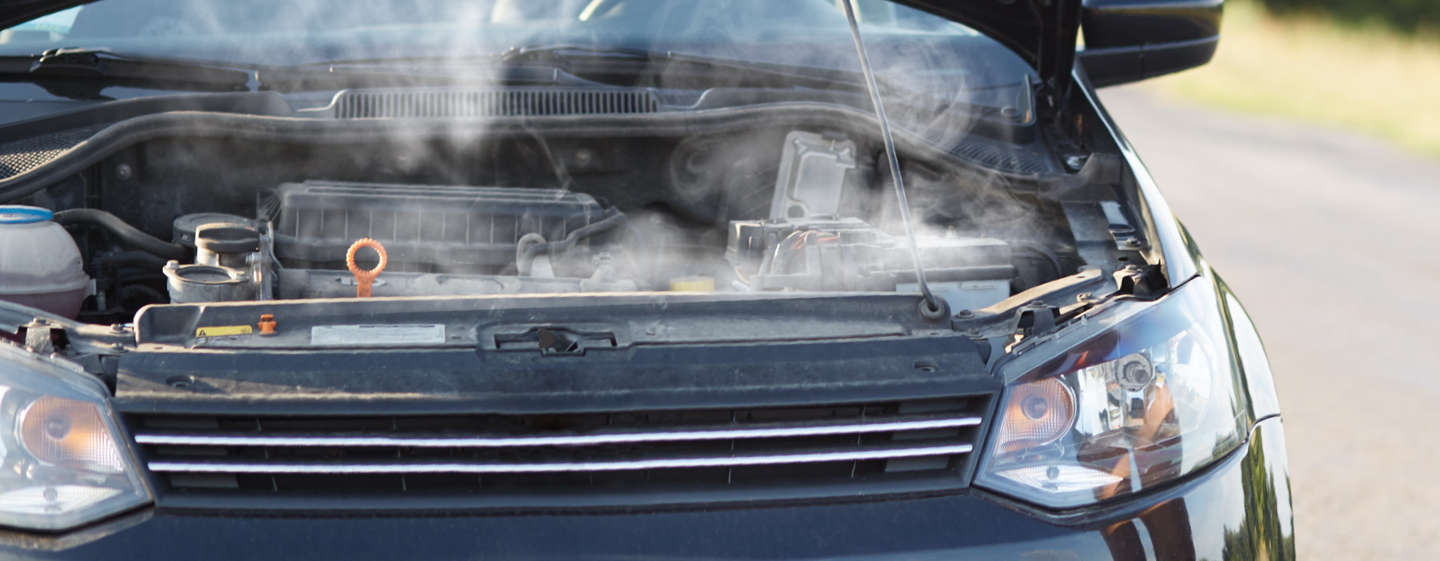
Your car’s engine is like the heart of your vehicle – and just like any heart, your car overheats if something goes wrong. A rising temperature gauge, steam under the bonnet, or an unexpected breakdown on the N1 highway isn’t just inconvenient – it could also lead to serious engine damage.
Common Car Overheating Causes
An overheating car can be alarming, especially if it happens without warning. From minor issues to more serious mechanical faults, here are common car overheating causes to consider:
1. Low Coolant Levels
Coolant plays a critical role in regulating your engine’s temperature. If your coolant levels are too low, your car won’t be able to dissipate heat effectively, causing the engine to overheat.
What to do:
- If your engine is cool, check the coolant reservoir under the bonnet. If the level is low, top it up with the recommended mix of antifreeze and distilled water, or easier still, purchase a premixed solution.
- Never open the radiator cap while the engine is hot – it can spray boiling fluid and cause burns.
- Avoid driving further if your engine is overheating — this can cause serious damage.
- If you have a maintenance plan, service plan, or extended warranty, check whether it includes roadside assistance. Many do, so you might be able to get help without extra cost.
- Should you not be covered, your best option is to call someone you trust who can bring water or help tow your vehicle to safety.
2. Leaking Cooling System
Leaks in the radiator, water pump, hoses, or heater core can cause coolant to escape, leading to a loss of pressure and overheating.
Warning signs:
- Puddles or drips under the vehicle.
- A sweet smell (from leaking antifreeze).
- Visible cracks or worn hoses.
- If the needle of the engine temperature gauge creeps past the normal position
- If the vehicle’s display indicates a warning
What to do:
If you suspect a leak, it’s best to stop driving and call for roadside assistance. Driving with a compromised cooling system should well be avoided when and if possible.
3. Faulty Thermostat
The thermostat controls the flow of coolant to the engine. A closed thermostat stops water from flowing through the radiator, and cooled water from reaching the engine, causing the temperature to rise.
Signs of a fault thermostat:
- Engine temperature spikes quickly.
- The heater is not blowing warm air.
- Coolant not circulating properly.
What to do:
A faulty thermostat must be replaced. This is usually an affordable repair but it must be done by a qualified mechanic. There are a number of ways you can spot a good mechanic, no matter where you are.
4. Broken Radiator Fan
Your radiator fan helps cool the engine by pulling air through the radiator. If the fan fails – due to a blown fuse, bad temperature sensor, bad wiring, or motor failure, your car may overheat, especially in stop-and-go traffic or while idling.
How to check:
When your car is idling, listen for the sound of the radiator fan. If it’s silent, it may not be working.
What to do:
Have the fan system inspected by a professional to determine the exact cause and get it fixed as soon as possible.
5. Clogged or Dirty Radiator
Over time – dirt, debris, and rust can clog your radiator inside and out, reducing its ability to cool the engine.
Signs of a blocked radiator:
- Rising engine temperature despite adequate coolant.
- Dirty or rusty coolant.
- The radiator surface feels cold even when the engine is hot.
What to do:
A radiator flush or replacement may be necessary, depending on the extent of the blockage. Regular maintenance can help prevent this issue.
Immediate Steps to Take When Your Car Overheats
If your car overheats while you’re driving, it’s important to stay calm and act quickly. Here's what you should do:
Turn off the air conditioning
Running the A/C puts extra strain on your engine. Turn it off immediately and switch the heater on to draw heat away from the engine. While this may make the cabin uncomfortable, it can help cool the engine.
Pull over safely
As soon as it’s safe to do so, pull over and turn off the engine. Continuing to drive an overheating car can lead to irreversible engine damage.
Open the bonnet carefully
Once the engine has cooled (usually after 30 minutes), carefully open the bonnet to let heat escape. Be cautious – if there’s visible steam, wait until it subsides.
Check coolant levels
If you have coolant on hand and the engine has cooled down, top it up. This may help get you to a nearby mechanic. Remember, never open the radiator or water bottle cap while the engine is still hot.
Call for assistance
If you’re unsure of the cause or if the problem persists after topping up the coolant, call roadside assistance or a tow service. It’s not worth risking further damage.
Tips to Prevent an Overheating Car
Prevention is always better than cure, especially when it comes to this scenario. Here are some simple steps you can take to reduce the risk:
Check Coolant Levels Regularly
Make it a habit to check coolant levels every few weeks or before long trips. Refill as needed and inspect for leaks.
Flush the Cooling System
A coolant flush removes rust, dirt, and debris that can build up in your system. Mechanics typically recommend a flush every 2 to 3 years or based on your vehicle manufacturer’s service schedule.
Inspect Belts and Hoses
Over time, belts and hoses can crack, loosen, or wear out. Have them inspected during major or minor car servicing.
Pay Attention to Warning Signs
If your temperature gauge creeps up regularly or you notice fluid leaks, don’t ignore them. Early detection can save you a lot of money in repairs.
Don’t Ignore the Warning Light
Your car’s temperature warning light is there for a reason. If it turns on, take it seriously, even if you may not notice visible signs of steam or damage.
Key Takeaway
An overheating car is more than just an inconvenience, it’s telling you that something is wrong with your vehicle’s cooling system. Whether it’s low coolant, a faulty thermostat, or a broken fan, knowing why it happens and how to respond can help you avoid engine damage, towing costs, and potentially dangerous situations.
Stay safe on the road by keeping your cooling system in check and address any early signs of trouble. And if your car overheats, remember: turn off the engine, cool it down, and get help.
For more on car trouble and tips, take a look at our article that talks about car repair costs for mechanical problems or what to do if your car breaks down.
Mercedes-AMG GT 63 S E: The Latest of the GT Lineup
The Truth About SA’s New Traffic Fine System Launch Date