South Africa’s Automotive Industry Update: Turbulent, Yet Resilient
South Africa’s motoring industry is at a pretty interesting tuning point this year. On the one hand, local car sales are performing like we haven’t seen since 2019. On the other hand, new US tariffs are threatening exports and could make things a little awkward for our current trade relationship.
Naamsa: Strong Domestic Sales
According to the latest numbers from the National Association of Automobile Manufacturers of South Africa (Naamsa), 2025 is shaping up to be a record year. Car sales are back to pre-pandemic levels; a clear sign that buyers are feeling financially comfortable (at the present moment).
Thanks to steady interest rates and a slightly brighter economic outlook, more South Africans are taking the plunge and buying new cars across different segments. It’s proof that despite global economic uncertainty, the local market has the potential to redeem itself. Although it doesn’t always last long.
SA’s Automotive Industry Market at a Glance
When it comes to this local car sales, here’s what we know so far:
Passenger vehicles are leading domestic sales growth, with 32,570 units sold in June 2025—up a massive 21.7% increase compared to the same month last year. But, here’s the twist: while local sales jumped, exports in this category fell by 4.1%.
On the brighter side, light commercial vehicles (bakkies, vans, and the like) saw export sales soar by 44.5% year-on-year, giving the industry a much-needed boost.
Year-To-Date Sales Overview
- Passenger vehicles: 196,100 units sold locally year-to-date (YTD), up 21.3% from 161,705 units in 2024.
- Light commercial vehicles: 68,161 units sold locally YTD, a slight decrease of 1.7% compared to 2024.
- Medium trucks and buses: Marked growth with 3,924 units YTD, up 12.9%.
- Heavy trucks and buses: 10,726 units YTD, down 3.5% from last year.
Top Vehicle Manufacturers (June 2025)
South Africa’s local market continues to be dominated by leading manufacturers:
| Manufacturer | Local Sales | Export Sales |
| Toyota | 11 690 | 4 247 |
| Volkswagen Group SA | 4 973 | 12 159 |
| Suzuki Auto | 5 221 | 26 |
| Ford Motor Company | 3 058 | 7 382 |
| Hyundai Automotive SA | 2 905 | - |
| BMW Group | 1 349 | 6 744 |
| Isuzu Motors SA | 2 087 | 532 |
Toyota continues to take local sales, while Volkswagen has a strong grip on exports. The mix of brands highlights just how competitive and diverse the car market really is.
US Tariffs Threaten Export Stability
Even with strong local sales, South African car exporters are facing new hurdles.
In April 2025, the US imposed tariffs of up to 25% on some South African vehicles and auto parts, which escalated to a hefty 30% on all South African goods by August 2025. This put a dent in the competitiveness of SA-made cars in the important US market, which has been a top buyer for over 20 years.
These tariffs could jeopardise growth by reducing exports, cutting revenue, and putting jobs at risk. Automakers, industry groups, and government representatives are in ongoing talks with US officials in an effort to ease the tariffs and secure better trade terms.
Strategic Industry Responses
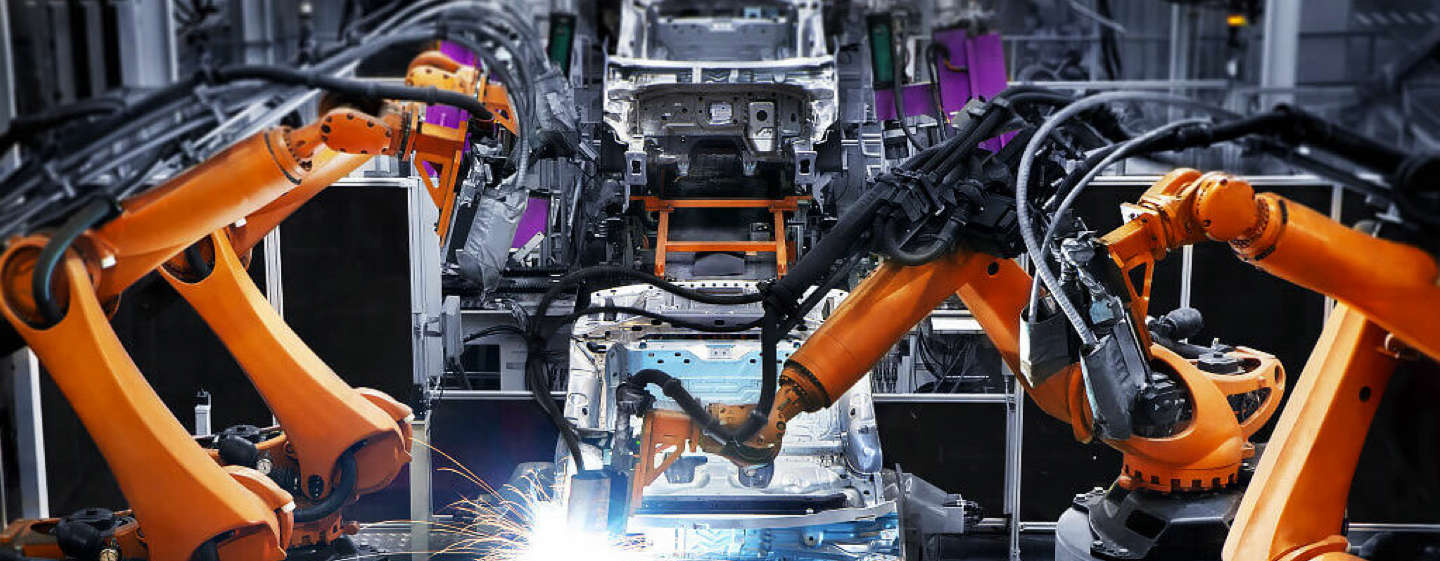
In response to the tariff threat, South Africa’s automotive industry is shifting its focus to diversify trade partners, with more emphasis on regions like the EU, Africa, and Asia and rely less on the US. At the same time, there’s a strong push to increase local production and add more value here on home soil, making the industry more resilient in the long run.
The Department of Trade, Industry and Competition (DTIC) is also reworking policies to help the sector remain competitive by introducing better incentives, upgrading infrastructure, and expanding skills training to keep South Africa attractive as a global manufacturing hub.
Looking Ahead: Opportunities and Challenges
There’s no doubt that the US tariffs add an extra bump in the road, but the bigger picture shows plenty of opportunity. South Africa’s car industry is a major job creator and export earner, and with the right strategy, it can continue to grow.
Experts believe the way forward lies in diversifying trade links, embracing innovation, and investing in electric vehicles and green manufacturing. These shifts not only future-proof the industry but also align South Africa with global sustainability trends.
The Automotive Industry Proves Tough in 2025
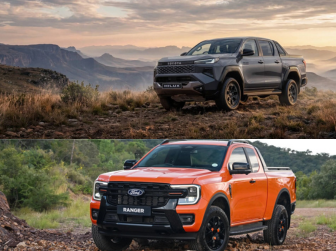
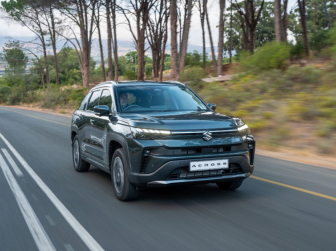
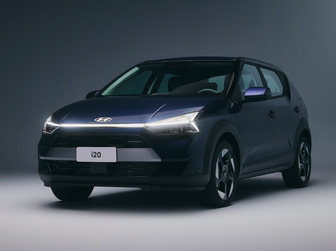
If 2025 has shown us anything so far, it’s that South Africa’s auto sector knows how to handle a challenge. Local sales are strong, people are still investing in new cars, and the market is buzzing with fresh models – from rugged bakkies to sleek city hatchbacks.
South Africans have a diverse appetite for vehicles, with demand spanning practical daily drivers and high-performance models. With several exciting new vehicle launches lined up, the local market continues to offer fresh options for every kind of driver.
It’s all about protecting the future, bringing in fresh ideas, tapping into new markets, and keeping the industry a key part of the country’s economy. If you’re curious about the latest motoring news or want to explore upcoming car releases in South Africa, our in-depth articles have you covered.
And if you’re thinking of upgrading your ride, don’t miss our blog on how to buy a car in 8 easy ways and how car depreciation can impact your purchase decision—it might just save you thousands.
The Best Off-Road Vehicles & Routes in South Africa
The Future of Self-Driving Cars in South Africa